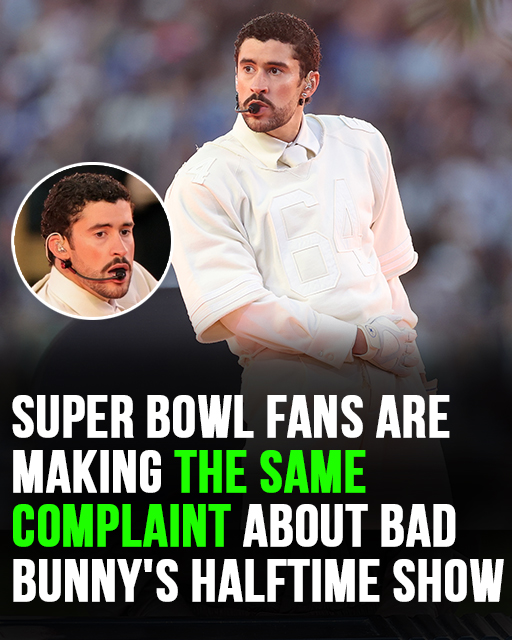
Bad Bunny closed the Super Bowl LX halftime show with a performance that was bold, colorful, and unmistakably high-energy—exactly what fans expected.
Leading up to the game, the show drew unusual scrutiny. Critics questioned the NFL’s decision to feature a Spanish-language global star on one of America’s biggest stages. Turning Point USA responded by organizing an “All-American” alternative event featuring Kid Rock, framing it as a cultural counterpoint. Debate was further intensified by Bad Bunny’s past cancellation of U.S. shows amid concerns over ICE raids.
Despite the controversy, Bad Bunny remains one of the world’s most influential artists, with global chart dominance and a massive multilingual fan base.
At Levi’s Stadium, he delivered a visually explosive set filled with Latin beats, synchronized choreography, and vibrant staging. A surprise appearance by Lady Gaga energized the crowd, blending pop spectacle with reggaetón and trap influences that have defined his rise.
Online reaction quickly focused on language. Some viewers expressed frustration that much of the performance was in Spanish, while others countered that Spanish is spoken by tens of millions in the U.S. and that music transcends language barriers.
As with many halftime shows, the performance became a cultural flashpoint. For critics, it highlighted discomfort with shifting cultural dynamics; for supporters, it represented visibility and inclusion on a global stage.
Regardless of opinion, Bad Bunny owned the moment—capturing attention, sparking debate, and reinforcing that the Super Bowl is as much about culture as it is about football.