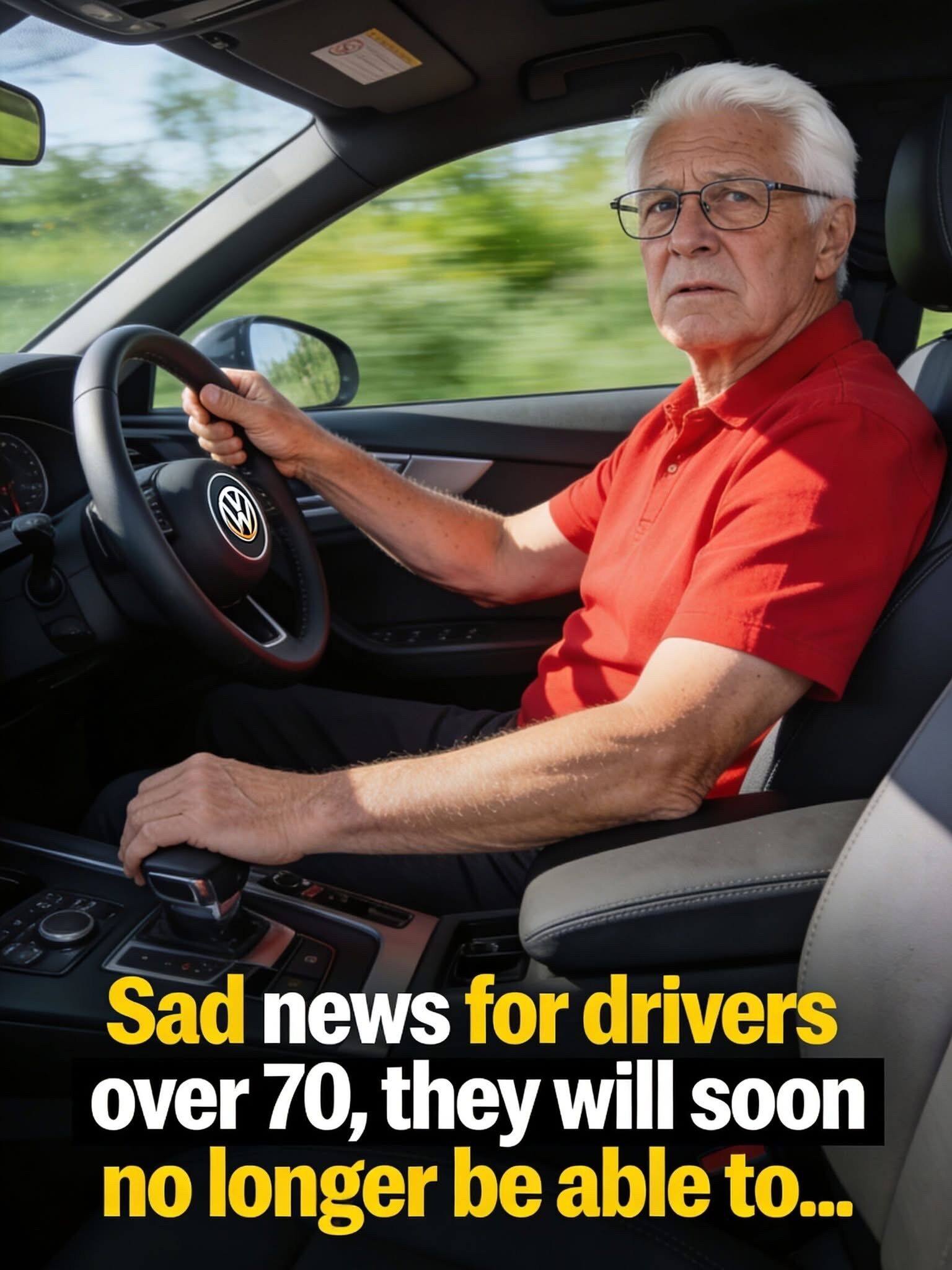
For many older adults, driving is more than a way to get around—it represents independence, dignity, and connection to daily life. As populations age, renewed debate is emerging across many countries about whether senior drivers should face additional testing or restrictions. The issue is not punishment, but how to balance public safety with respect.
Public attention sharpened after a tragic accident in La Rochelle, France, where an 83-year-old driver traveling the wrong way struck a group of children. While no single event defines the issue, such moments force societies to confront difficult questions about reaction time, health, and responsibility.
Data shows that drivers over 75 are involved in serious accidents at rates similar to very young drivers, though for different reasons. Experts stress that age alone is not the problem—individual health, vision, and cognitive ability matter far more.
In response, governments are considering measures such as more frequent license renewals, medical or vision exams, cognitive screening, and conditional licenses. The aim is early risk detection, not exclusion.
For seniors, losing the ability to drive can mean isolation, dependence, and emotional distress. That is why experts increasingly call for compassionate solutions: honest family conversations, voluntary assessments, better transportation options, and gradual transitions.
This debate is not about choosing safety over freedom. It is about honoring both—protecting lives while preserving dignity at every stage of life.