Listening to Donald Trump or his administration, one could easily believe his achievements are historic. Trump frequently touts his tariff policies, low gas prices, and rapid progress toward making the U.S. stronger and more prosperous. Yet critics argue these claims often rely on exaggeration or selective facts, creating a gap between Trump’s self-presentation and broader public perception.
That divide has become more visible since his return to office last January. While Trump has moved swiftly to expand executive power and promote himself as a stabilizing global force, some of his rhetoric and actions—along with ongoing domestic unrest and a hardline immigration stance—have raised concerns at home and abroad.
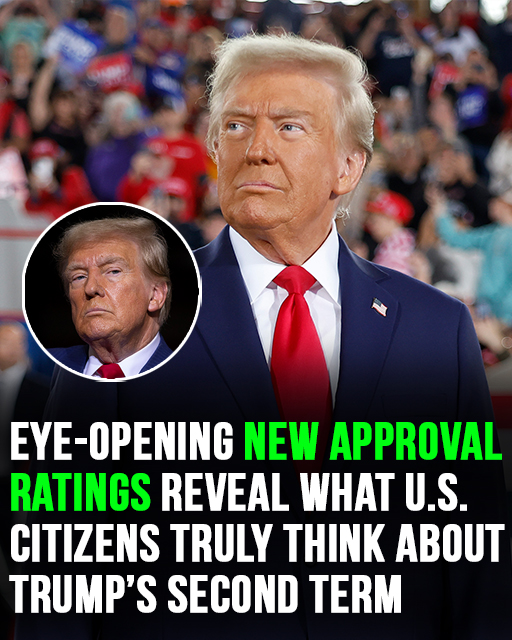
Public opinion reflects this tension. An AP-NORC poll conducted this month found that about four in ten Americans approve of Trump’s performance, while nearly six in ten disapprove. Approval ratings across key areas—including the economy, immigration, foreign policy, and trade—remain consistently low, with roughly 37–38 percent approval in each category.
Despite maintaining a loyal base and projecting confidence, Trump has not seen a significant rise in public support. For now, his presidency continues to be defined by a sharp contrast between claims of unprecedented success and a deeply divided, often skeptical public.