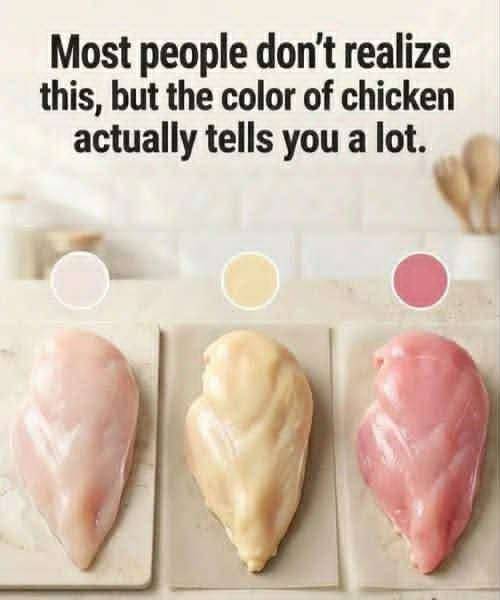
If you’ve lingered at the meat counter, you’ve noticed chickens ranging from pale pink to deep golden yellow. Many people assume color equals quality—but it’s more complicated.
Why Chickens Are Different Colors
Skin color comes from genetics and diet. Some breeds naturally carry yellow pigments called carotenoids, found in grass, clover, and insects. Pasture-raised birds with access to these foods develop golden skin and richer fat. Pale birds usually come from industrial farms, fed a high-protein, low-pigment diet indoors for rapid growth.
Flavor and Fat Matter
Yellow chickens often taste better. Their slower growth allows fat to develop more complex flavors and higher nutrient content, which keeps meat juicy and aromatic when cooked. Pale industrial birds are efficient and lean but less flavorful.
When Yellow Can Be Misleading
Some producers add pigments to the feed to mimic a pasture-raised color. Appearance alone isn’t a guarantee of quality—labels matter.
Tips for Choosing Quality Chicken
-
Pasture-Raised: True outdoor access ensures natural diet and flavor.
-
Texture: Firm meat indicates healthy development; mushy meat often signals fast growth.
-
Air-Chilled: Preserves natural juices and flavor, unlike water-chilled industrial poultry.
-
Read Labels: “Organic” refers to feed; “Pasture-Raised” refers to lifestyle and diet.
Global Perspective
Preferences vary worldwide: France prizes white-skinned Bresse chickens, China favors “yellow-haired” birds for soups, and Mexican markets often sell very orange chickens from marigold-rich diets.
Bottom Line
Chicken color tells a story of biology, farming practices, and culinary quality—but don’t rely on color alone. Look at labels, texture, and chilling methods to choose the bird that best fits your taste and values.
Key Takeaways
-
Yellow isn’t always natural—look for “Pasture-Raised.”
-
Air-chilled birds cook better than water-chilled.
-
Firmness matters: avoid meat that feels water-logged.
-
Labels reveal lifestyle and diet, not just feed type.