Minneapolis is facing sustained tension as federal immigration enforcement and community responses continue. The unrest began with the January 7, 2026, fatal shooting of Renee Good by an ICE agent, sparking protests and debates over federal authority, local autonomy, and public safety.
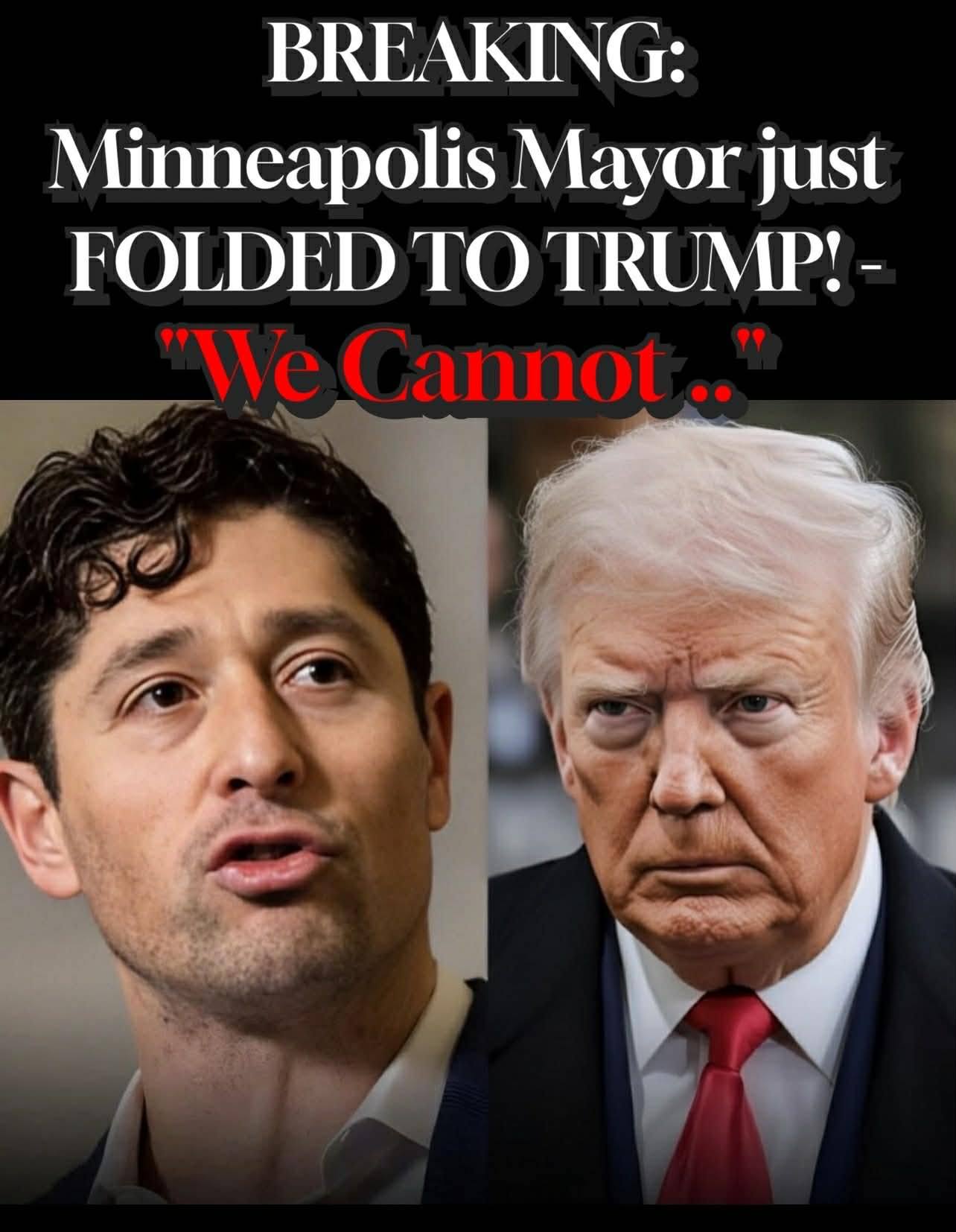
Following Good’s death, another federal agent shot a man in north Minneapolis, escalating clashes between demonstrators and law enforcement. Local leaders, including Mayor Jacob Frey, have called the situation “not sustainable,” citing strain on city resources as thousands of federal agents operate under Operation Metro Surge.
Protests continue, with some groups organizing measures such as economic blackouts to challenge federal tactics. Legal battles are also underway: Minnesota and local governments claim federal actions are unconstitutional, while the Department of Justice appeals court restrictions on agent interactions with peaceful protesters.
Responses across the city remain divided. Some residents see the enforcement as necessary for safety, while others view it as heavy-handed and destabilizing. Minneapolis currently feels contested, with ongoing protests, lawsuits, and debates shaping the city’s future around enforcement, civil rights, and community trust.