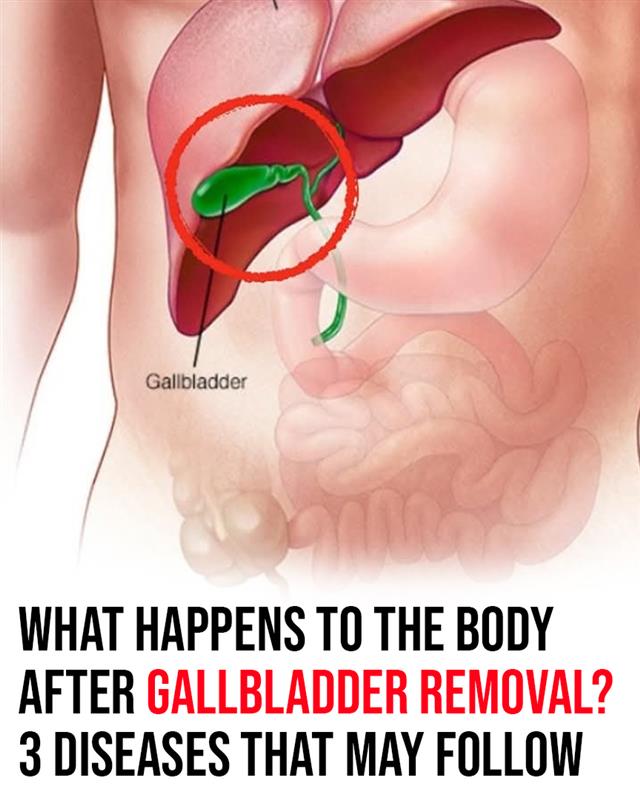
Gallbladder removal is one of the most common surgeries, often performed for gallstones or chronic gallbladder disease. While routine, many people wonder how digestion changes once the gallbladder is gone.
The gallbladder stores bile, a fluid made by the liver that helps digest fats. When you eat, it releases bile into the small intestine. Problems arise when gallstones block bile flow, causing pain, inflammation (cholecystitis), pancreatitis, or, rarely, cancer—often making surgery necessary.
After removal, the liver continues producing bile, but instead of being stored, it flows continuously into the digestive tract. Most people adapt well, though some experience temporary symptoms like bloating, gas, or loose stools, especially after fatty meals. A small number develop bile acid diarrhea, which usually improves over time.
During recovery, doctors often recommend limiting high-fat foods, eating smaller meals, increasing fiber gradually, and staying hydrated. Digestive sensitivity typically improves within weeks or months.
The long-term outlook is very positive. Most people return to normal eating habits and feel better than they did before surgery. With time and minor dietary adjustments, life without a gallbladder is usually smooth and uncomplicated.