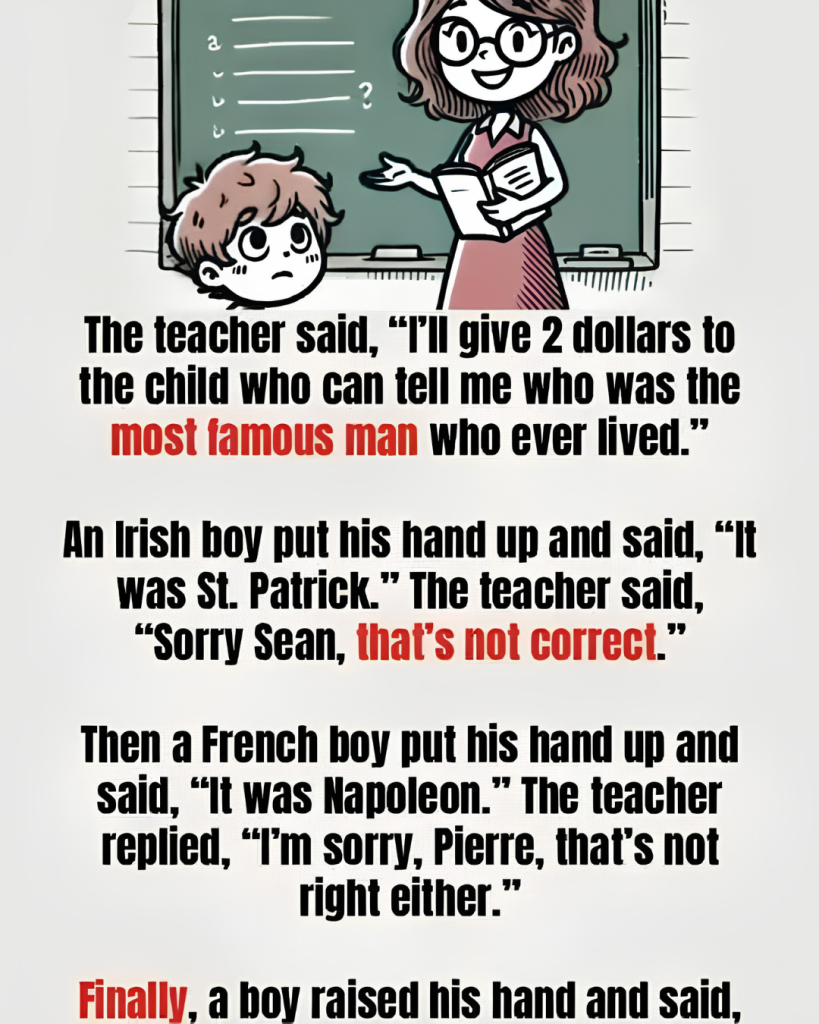

The story of a young boy choosing a two-dollar bill over a religious icon is often told as a joke, but it reveals something sharper underneath. It exposes how easily abstract values collapse when placed against immediate, tangible reward. What sounds like childhood innocence is really a reflection of a lifelong habit: translating belief into cost.
The same pattern appears in stories like the rejected suitor who mourns not the loss of love, but the imagined fortune he never gained. Or Stanley, who hesitates to buy a “magic desk” because he can’t justify the price of wonder. In each case, meaning is filtered through calculation, and emotion gives way to evaluation.
These stories resonate because they mirror everyday life. We choose security over fulfillment, convenience over conviction, and stability over risk. Over time, these small exchanges shape who we are more than any single grand decision.
The humor in these tales fades quickly, leaving a quieter realization behind: we are constantly negotiating what we claim is priceless. And in doing so, we reveal how often value is not discovered, but decided.
Perhaps the real question is not whether we would trade our principles for something small—but how many times we already have, without noticing.