
What Does Christianity Say About Cremation?
As cremation becomes more common, many Christians wonder whether it aligns with biblical teachings. The answer is less about strict rules and more about understanding the Bible’s broader message regarding the body, death, and resurrection.
The Bible does not explicitly forbid cremation. Instead, it emphasizes God’s sovereignty over life and death and teaches that human worth is not determined by what happens to the body after death.
Historically, burial was the preferred practice among the Israelites. Biblical figures such as Abraham and Joseph arranged for the burial of their loved ones and themselves, reflecting cultural and religious traditions centered on honor and remembrance. However, these examples describe common practices rather than divine commands.
While Scripture records a few instances of bodies being burned, these situations were generally unusual and not presented as standard funeral practices. As a result, the Bible neither commands burial nor directly prohibits cremation.
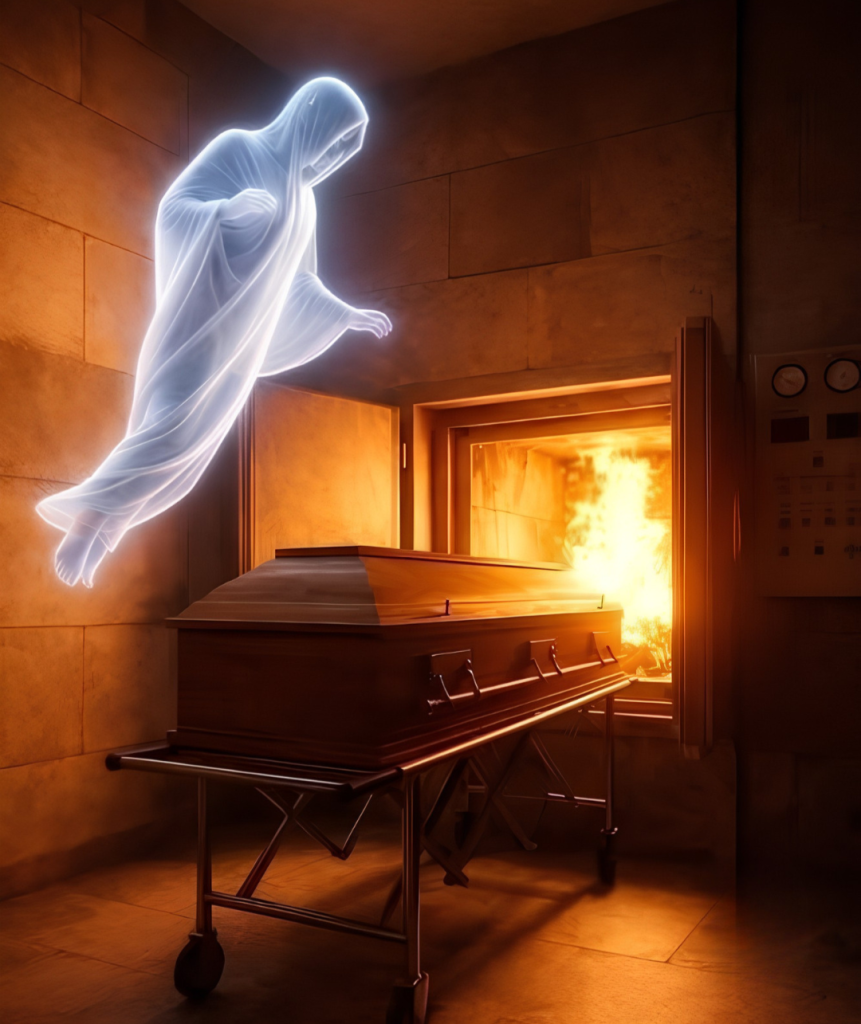
For many Christians, the key issue is the doctrine of resurrection. Christian faith teaches that God’s power is not limited by physical circumstances. Whether a body returns to dust through natural decomposition or is reduced to ashes through cremation, believers trust that God can fulfill His promise of resurrection.
This perspective highlights that human identity extends beyond the physical body. While the body deserves respect as God’s creation and, in life, a temple of the Holy Spirit, it remains temporary. Faith, the soul, and God’s promise of eternal life are considered far more significant.
Different Christian denominations have approached cremation in different ways. Some traditionally favored burial because of its long history within the faith, while many churches today view cremation as a personal choice. Practical factors such as cost, available space, and environmental concerns have also contributed to its growing acceptance.
Ultimately, most contemporary Christian traditions do not consider cremation a sin. What matters most is that decisions are made with dignity, respect for the deceased, and trust in God’s promises.
For believers, the manner in which a body is laid to rest does not determine one’s relationship with God. Faith, devotion, and confidence in His grace remain central. In that sense, cremation can be seen as a personal choice that still honors both the deceased and the Christian hope of resurrection.