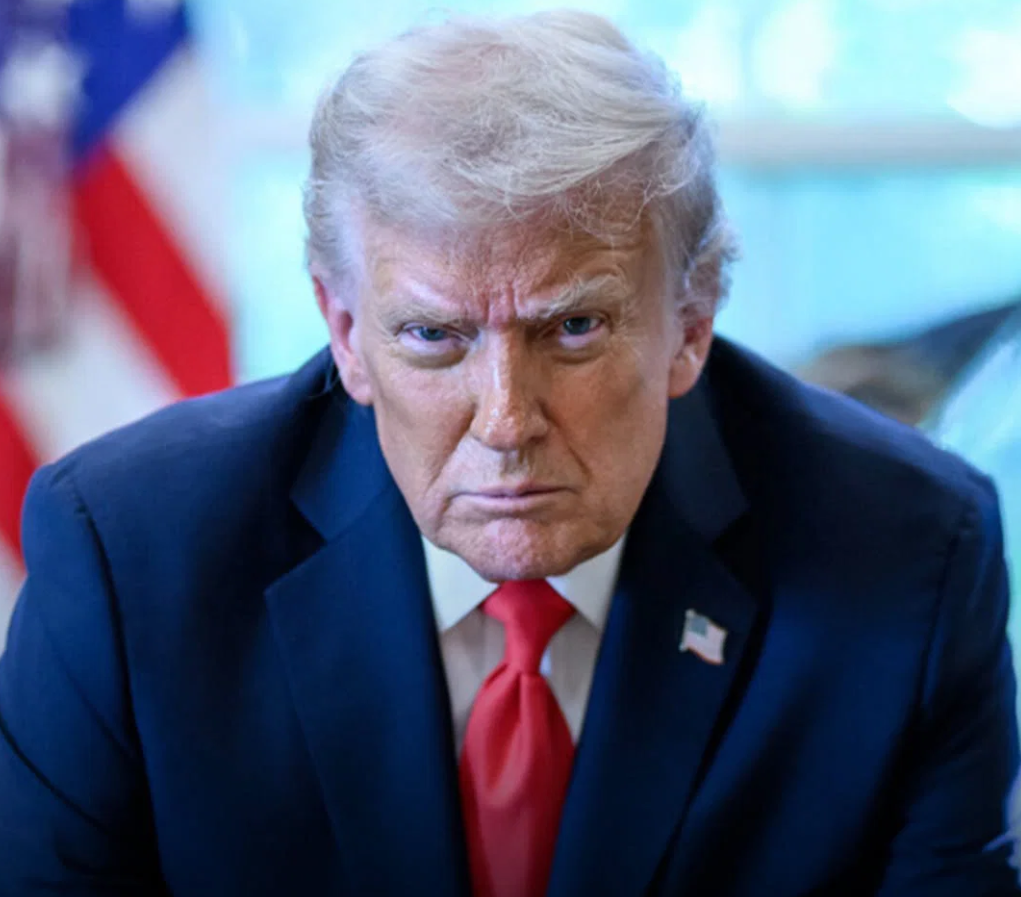

Donald Trump Sparks Online Speculation With Mysterious Four-Letter Message on Red Hat Following Republican Election Setbacks
Trump Sparks Speculation with “VETO” Hat Following Election Setbacks
1. The High Threshold for Overrides
-
Constitutional Math: Reversing a presidential veto requires a two-thirds majority in both the House and the Senate (Article I, Section 7).
-
Leverage for the Executive: Because slim majorities rarely command two-thirds supermajorities, a president only needs to maintain support from slightly more than one-third of either chamber to sustain a veto. This grants the executive virtually absolute stopping power over hostile or partisan bills.
2. Shifting Legislative Strategy from Offense to Defense
-
Policy Deadlock: Rather than pushing sweeping legislative programs through Capitol Hill, executive priorities shift toward blocking opposition initiatives—such as reversals of administrative regulations, spending cutbacks, or alternative tax policies.
-
Governing via Executive Action: Blocked from using standard legislation, the administration relies more heavily on executive orders, rulemaking, and emergency declarations to enact policy, daring Congress to attempt legislative rollbacks that face an immediate veto.
3. Framing the “VETO Threat” as Bargaining Power
-
Early Deterrence: Signaled early—through explicit public statements or political branding like the “VETO” hat—a veto threat alerts congressional leaders that compromise is necessary before a bill reaches the Oval Office.
-
Compromise Incentive: If Congress wants to avoid legislative failure on essential bills (such as funding measures or national defense authorizations), leadership must consult the White House during drafting rather than passing strictly partisan versions.
4. High-Stakes Fiscal & Government Funding Battles
-
Must-Pass Bills: While ordinary bills can simply be vetoed and set aside, appropriations (budget) bills and debt ceiling extensions cannot be easily ignored without risking a government shutdown or financial crisis.
-
Leverage Negotiations: A president willing to veto budget bills can force Congress to include specific White House riders or remove objectionable policy provisions, setting up intense standoff negotiations over spending caps and government operations.
5. Agenda-Setting and Political Messaging
-
Setting Boundaries: By forcing Congress to vote on bills doomed for a veto, opposing lawmakers aim to put the administration on record against popular measures.
-
Consolidating the Base: Conversely, the White House uses vetoes to signal strength to its partisan base, demonstrating a refusal to cave to opposing legislative demands.
Summary Outlook
The explicit emphasis on veto power transforms the White House from a legislative promoter into a strategic gatekeeper. It sets up a phase of governance defined by tight budget standoffs, strategic compromises on essential legislation, and increased reliance on executive authority to bypass a divided Capitol Hill.
-
Legislative Resistance: It serves as a reminder that executive veto power remains a key tool to block opposing Democratic legislation.
-
Potential Compromise: Despite the firm warning, Trump indicated an openness to finding common ground with congressional leadership on select issues.