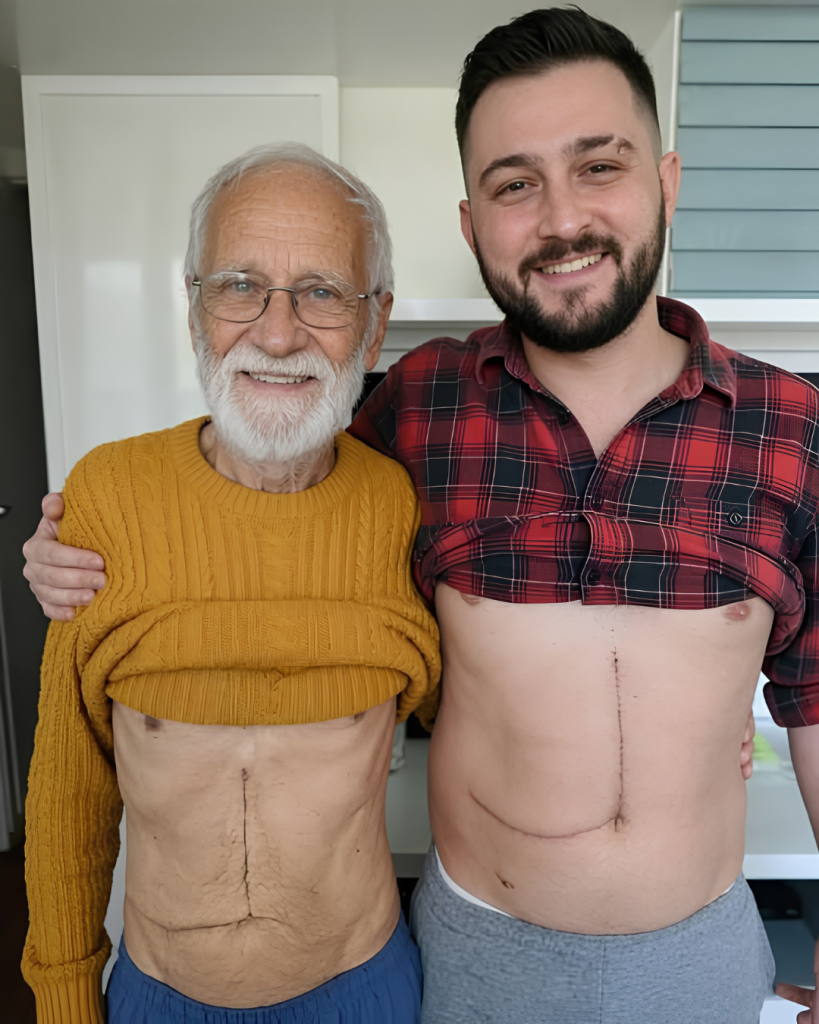

When a parent’s life begins to slip away, most children do not stop to measure the cost of saving them. In hospital hallways filled with silence, exhaustion, and hope, living liver donation has become one of modern medicine’s most extraordinary acts of love. Sons and daughters willingly give away a part of their own body so their mother or father can keep living. Behind the success stories and medical breakthroughs, however, lies a reality far more difficult and emotional than many families expect before the surgery begins.
Choosing to donate part of a liver is far more than agreeing to a medical procedure. It is a deeply personal decision that carries physical risks, emotional strain, and life-changing consequences. The human liver’s remarkable ability to regenerate makes these operations possible. Surgeons can safely remove a large portion of a healthy donor’s liver, and over time both the donor’s remaining liver and the transplanted section can grow back and function normally. This incredible biological process has saved countless lives and offered hope to families facing the painful uncertainty of transplant waiting lists.
The Burden Behind the Choice
Long before surgery takes place, potential donors must go through extensive medical and psychological evaluations. Doctors are not only looking for physical compatibility but also making sure the decision is being made freely, without pressure, guilt, or emotional desperation. Transplant teams carry the responsibility of protecting healthy individuals from the serious risks that accompany major surgery. Once approval is finally given, the operating room becomes the center of an intensely coordinated effort where two lives become permanently connected through one difficult and delicate procedure.
The Recovery Few People See
Although liver transplants are often described as medical successes, recovery can be physically and emotionally overwhelming for donors. Many experience weeks of exhaustion, pain, and emotional instability while their bodies heal. For a child who donates part of their liver to a parent, the experience can bring both pride and emotional hardship. The healing process is not only physical. Donors also carry the emotional weight of the recipient’s outcome.
When the transplant succeeds and the parent regains strength, the experience can deepen the bond between them in ways words cannot fully describe. But when complications arise, the emotional impact can be devastating. If recovery becomes difficult or the body rejects the transplant, donors may struggle with grief, anxiety, and even survivor’s guilt despite their sacrifice and best intentions.
A Powerful Act of Humanity
Even with the risks and hardships, living organ donation remains one of the clearest examples of human compassion and resilience. It transforms medicine into something deeply personal — an act of sacrifice rooted in love. For many families, the true reward is found not in the surgery itself but in the quiet moments afterward: seeing a parent regain energy, sharing ordinary days together again, and knowing they fought for every possible chance at more time.
Living liver donation is more than a medical achievement. It is proof that while science can make healing possible, it is human devotion that gives that healing meaning.