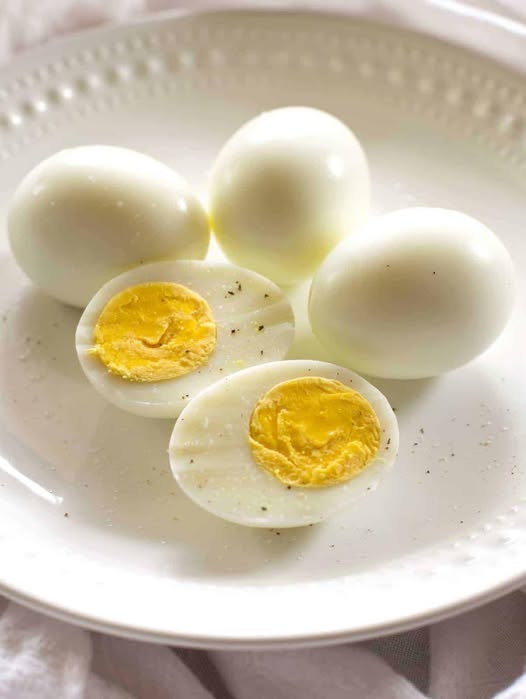
Hard-boiled eggs may seem simple, but they’re surprisingly impressive. Affordable, protein-packed, and easy to prepare, they fit seamlessly into breakfasts, lunches, snacks, and appetizers. In fact, a study by Pantry & Larder found that in 30 out of 50 U.S. states, hard-boiled is the preferred way to eat eggs—proof of their convenience and popularity.
Nutritionally, one large egg provides about 6 grams of complete protein, containing all nine essential amino acids. Once criticized for cholesterol, eggs have since been reconsidered; research suggests they can raise “good” HDL cholesterol and may not pose the heart risks once feared. Boiling is also a healthier cooking method than high-heat frying, as it helps limit cholesterol oxidation.
Peeling can be tricky, especially with very fresh eggs. Slightly older eggs—about one to two weeks old—tend to peel more easily. While raw eggs last three to five weeks in the fridge, hard-boiled eggs should be eaten within a week.
With a history dating back thousands of years, hard-boiled eggs remain a global staple. From deviled eggs and salads to simple salted snacks, their versatility and nutritional value make them a timeless kitchen classic.