Some insects live harmlessly alongside humans—but kamitetep does not.
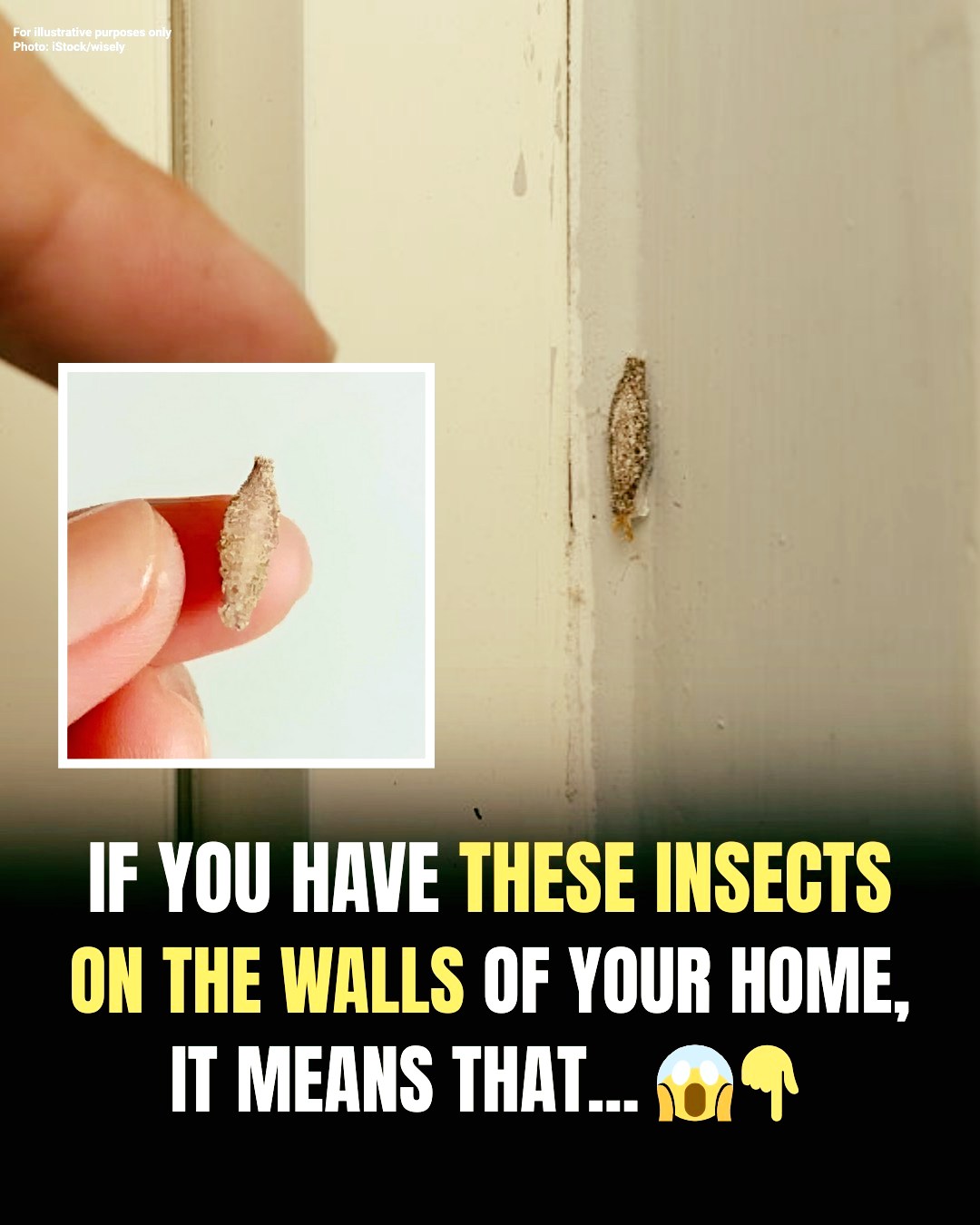
Often mistaken for dirt on walls, kamitetep (scientifically Phereoeca uterella) is a case-bearing moth larva common in tropical and humid regions. As heat and moisture rise, these insects multiply quickly, feeding silently on organic debris and household materials.
Known as plaster bagworms or household casebearers, they belong to the same family as clothes moths. Unlike moths that hide in drawers, kamitetep cling openly to walls and ceilings inside flat, gray cases made from silk, dust, lint, hair, and debris. The case protects them from predators and insect sprays while they feed and grow.
They eat far more than clothes—dust, spiderwebs, hair, paper, cardboard, upholstery padding, wool, silk, and pet dander are all fair game. Because their larval stage can last for months, infestations often go unnoticed until damage appears.
Kamitetep thrive in humid, dusty, poorly ventilated homes, especially where cardboard boxes, unused rooms, or spider activity are present.
Effective control requires more than spraying.
– Physically remove and discard all visible cases
– Vacuum and deep-clean regularly
– Reduce indoor humidity below 50%
– Seal cracks and crevices
– Use professional pest control only if infestations persist
They don’t bite or spread disease—but they silently damage possessions over time. Treat those small gray cases as an early warning, not harmless debris.