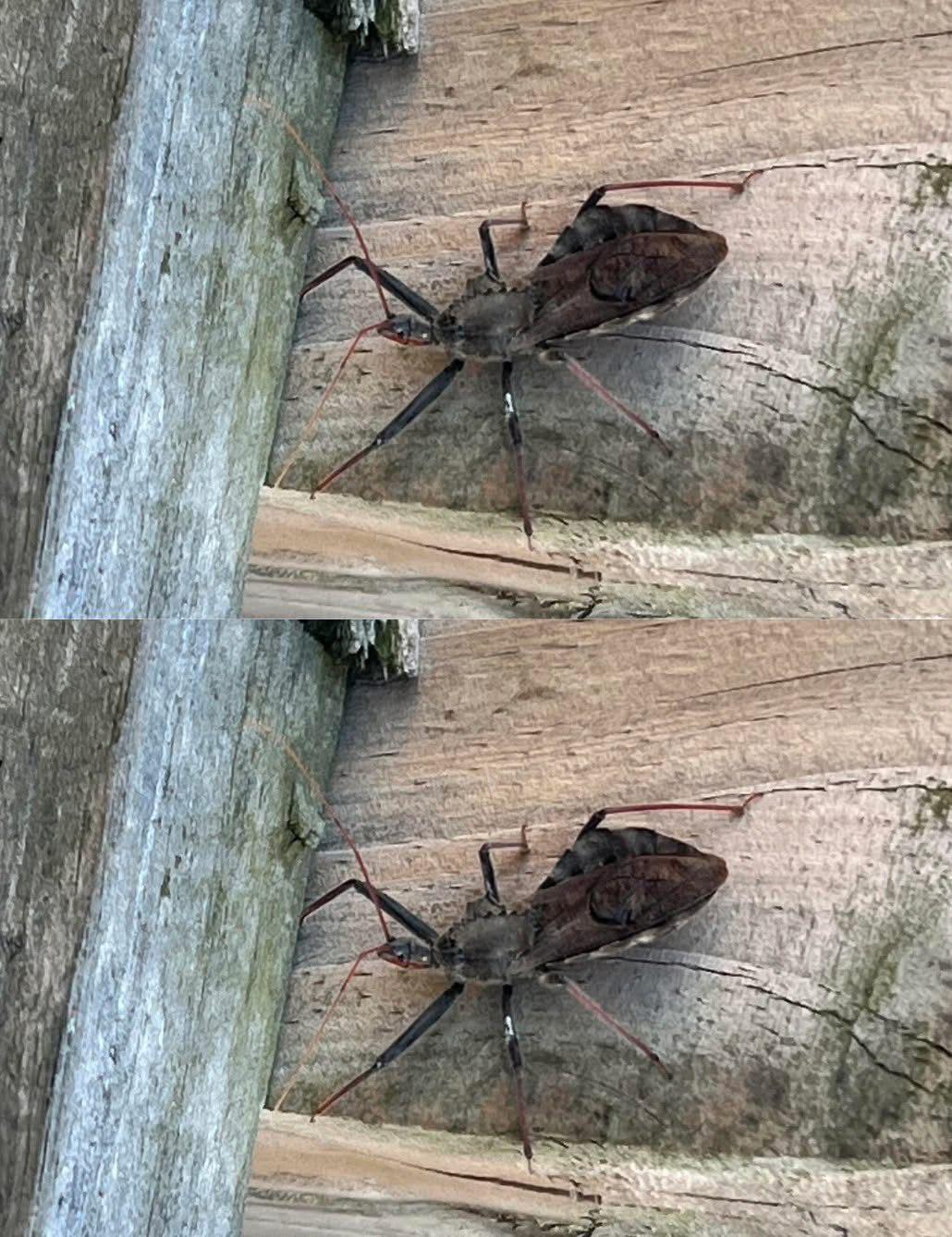
Summer brings more time outdoors—and more insects. Along with familiar pests like mosquitoes and ticks, assassin bugs (also known as kissing bugs) are drawing increased attention in parts of the United States due to potential health risks.
Assassin bugs feed on blood and can transmit Chagas disease, a serious infection. After biting, they often defecate near the wound; parasites in their feces can enter the body through broken skin or mucous membranes. Early symptoms may include fever, fatigue, headaches, rashes, or vomiting—but many people feel nothing at first. Without treatment, the disease can quietly damage the heart years later.
These insects are found across much of the U.S., especially in southern regions. They typically live outdoors in woodpiles, gardens, debris, or under porches, but can enter homes through cracks or cluttered areas.
Prevention is straightforward: clear debris, seal gaps around doors and windows, and keep sleeping areas clean and secure. Because assassin bugs are active at night, nighttime protection is especially important.
If you suspect a bite, seek medical care promptly. Early testing and treatment greatly reduce long-term risks.
Awareness—not fear—is the key. By knowing where assassin bugs live, how to prevent them, and what to do after a bite, you can enjoy summer while protecting your health.