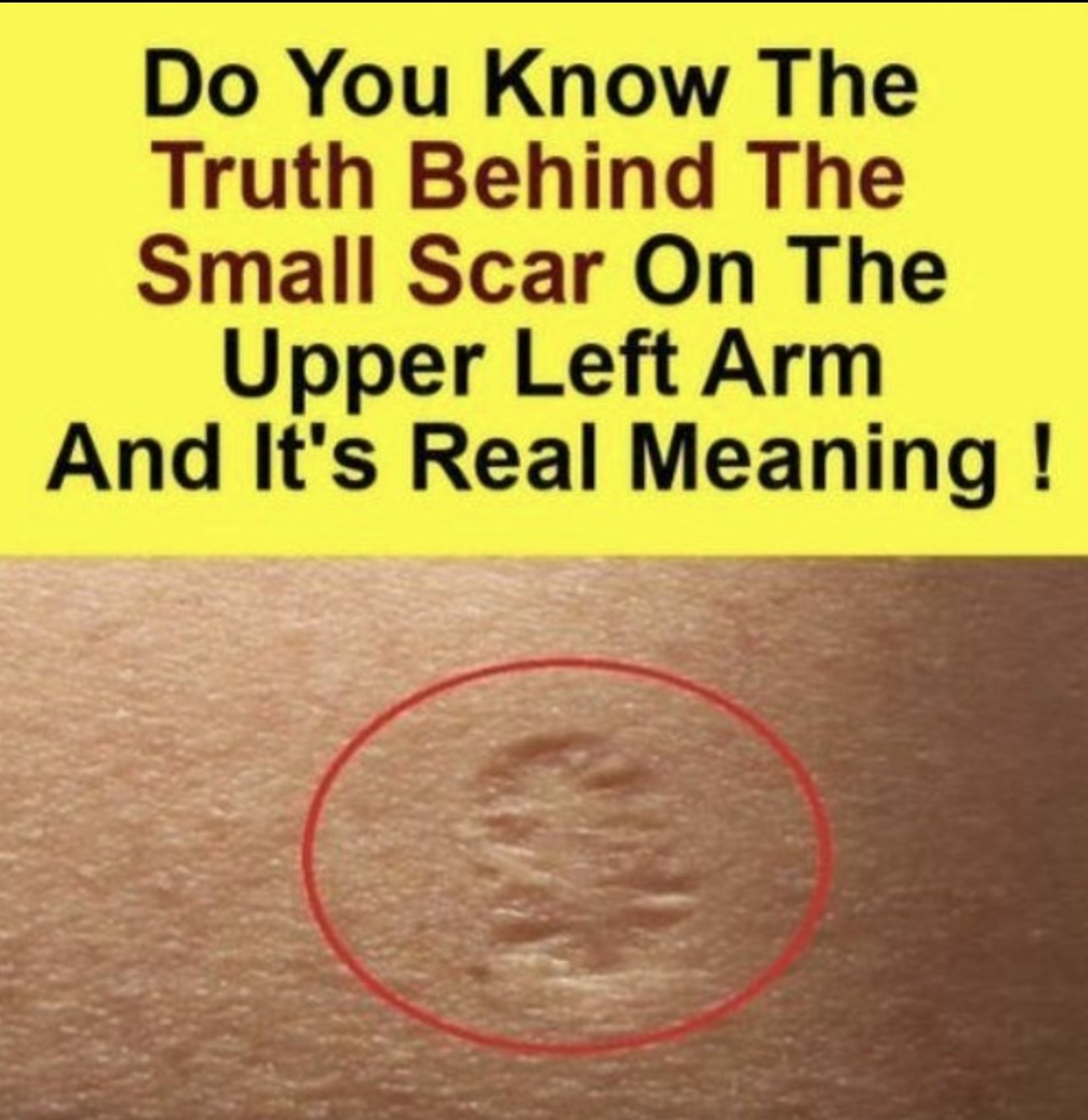
As a child, I noticed a strange scar on my mother’s upper arm—a ring of small marks around a larger one. I forgot about it until years later, when I saw the same scar on an elderly woman. Curious, I asked my mother, who reminded me of the answer I’d once heard: it was from the smallpox vaccine.
Smallpox was a highly contagious and often deadly disease caused by the variola virus, killing an estimated 30% of those infected in the 20th century. Through a global vaccination campaign, it became the first human disease ever eradicated. The World Health Organization declared smallpox eliminated worldwide in 1980; routine U.S. vaccinations ended in 1972.
The vaccine left a distinctive scar because it was administered with a two-pronged needle that punctured the skin multiple times. Using a live but milder virus, the shot caused a blister that scabbed and healed into a permanent mark—once a visible sign of immunity.
Today, that scar is a quiet piece of history. For older generations, it’s a reminder of one of public health’s greatest victories: the complete defeat of a disease that once devastated the world.