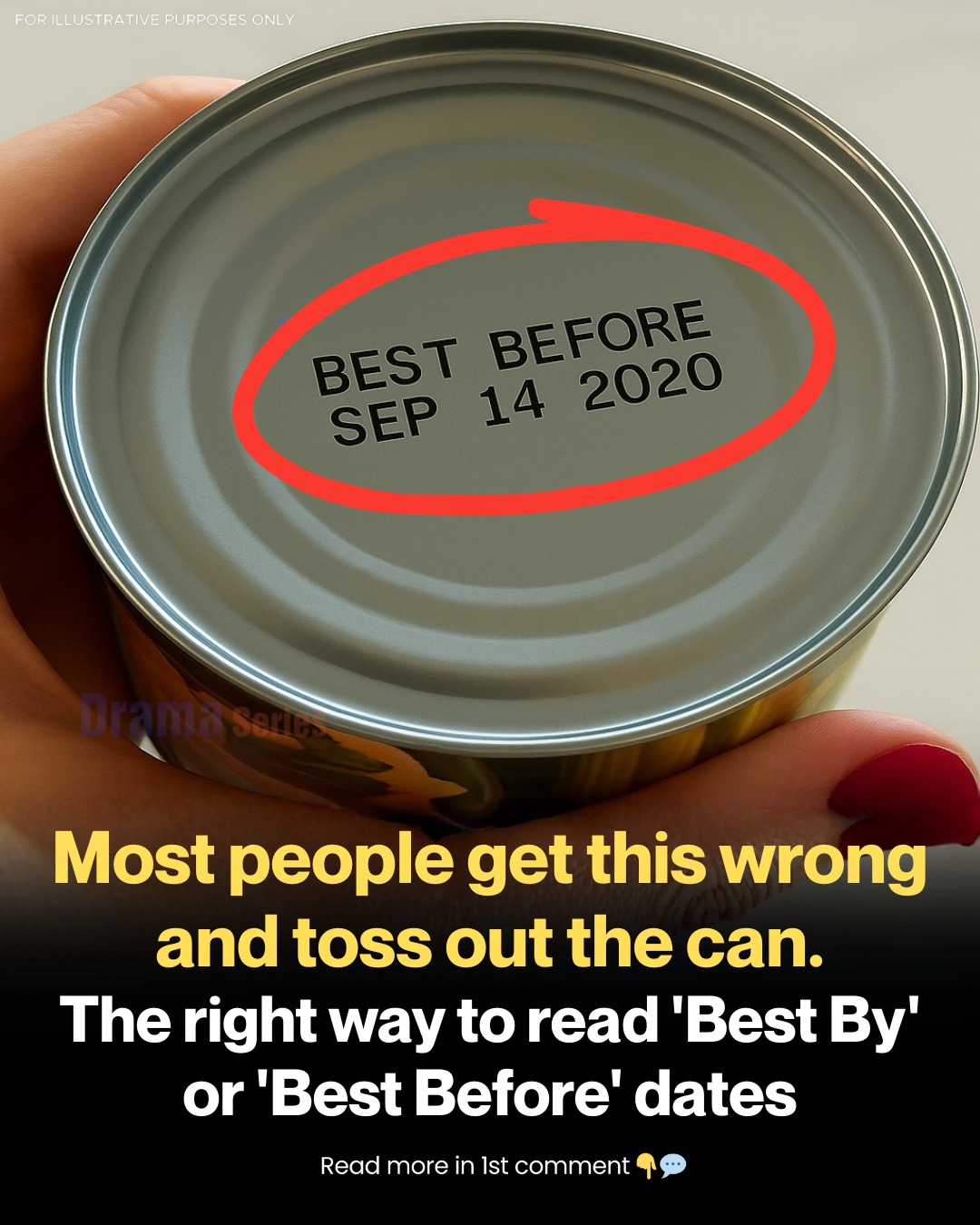
Open almost any pantry and you’ll likely find a forgotten can of beans, soup, or vegetables tucked behind newer groceries. When the date on the label has passed, many toss it immediately—but is it really unsafe?
What Expiration Dates Mean
Canned food dates usually indicate quality, not safety:
-
“Best By”/“Best Before” → peak flavor and texture
-
“Sell By” → for retailers, not consumers
-
“Use By” → mostly for perishable items like dairy or fresh meat
A can past its date may lose some taste or texture, but it’s often still safe to eat.
Why Cans Last So Long
The canning process heats food to kill bacteria, seals it airtight, and protects it from light and oxygen—conditions that prevent spoilage. Properly stored, canned foods can remain safe for years past their printed date:
-
High-acid foods (tomatoes, citrus, sauerkraut): 12–18 months beyond the date
-
Low-acid foods (beans, corn, soups, meats): 2–5 years, sometimes longer
When to Toss a Can
Never eat food from cans that show:
-
Bulging or swelling
-
Leaks or severe rust
-
Deep dents along seams
-
Foul smell, mold, or unusual appearance after opening
-
Sudden spurting liquid
Home-Canned Foods require extra caution—discard if bulging, leaking, cloudy, or off-smelling.
Smart Storage Tips
-
Keep cans in a cool, dry place (50–70°F)
-
Avoid heat sources
-
Rotate pantry stock using older cans first
-
Keep cans dry to prevent rust
Bottom Line
Canned foods are incredibly reliable. Expired dates often signal declining quality, not danger. Checking the can’s condition and using your senses can save money, reduce waste, and make your pantry more sustainable.