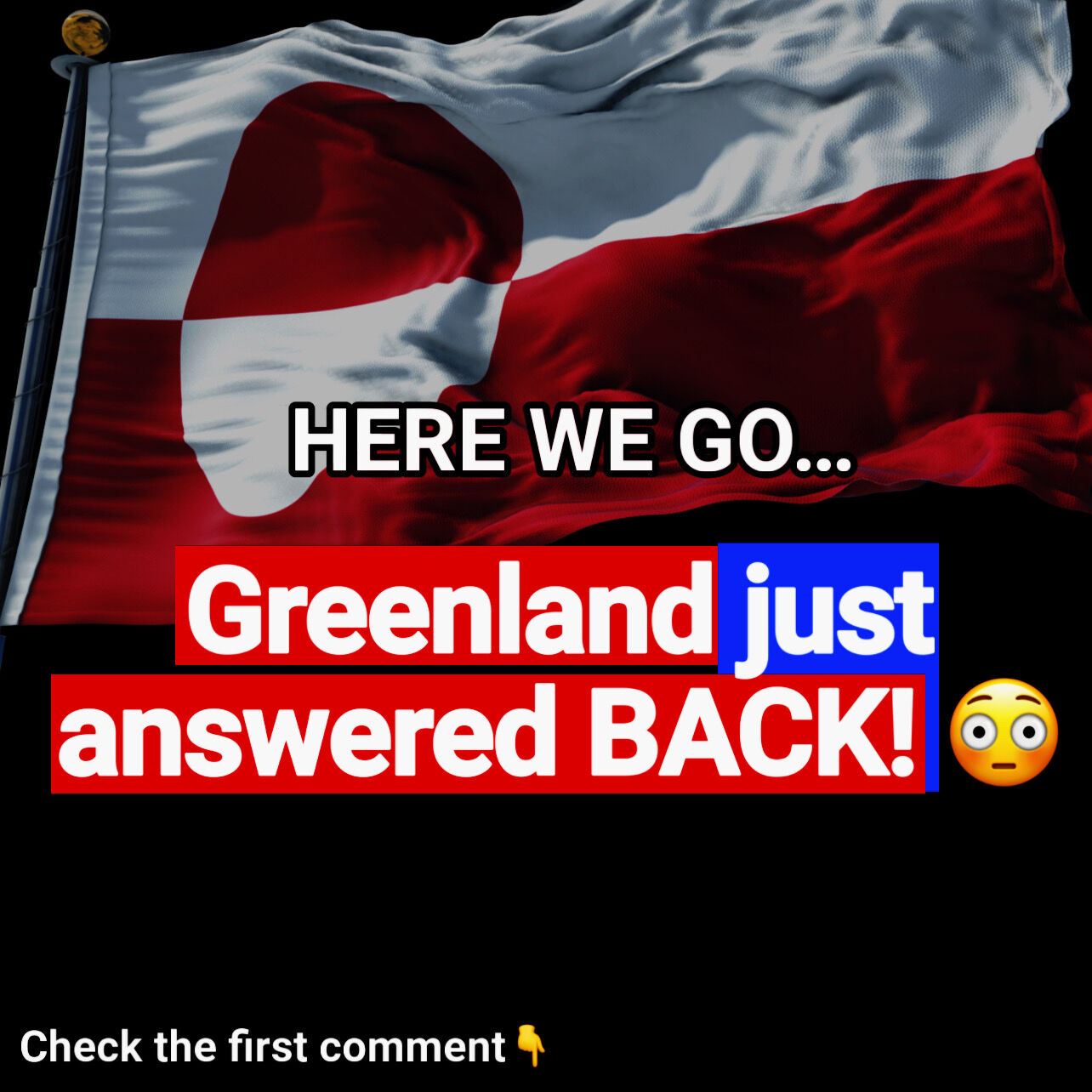
Greenland and the Limits of Pressure
Europe rarely speaks with one voice, yet renewed U.S. pressure over Greenland in early 2026 produced an unusually unified response. Sanctions and tariff threats tied to Donald Trump’s revived claims pushed European leaders to push back not just on policy, but on principle.
Across the EU and the UK, officials rejected public coercion, framing it as a breach of transatlantic trust. The tactic—threats via social media, press statements, and economic measures—was more unsettling than the strategic argument itself. Emergency talks in Brussels highlighted that alliance conduct, not ownership, was at stake.
Greenland’s growing strategic value—due to melting ice, new shipping routes, and untapped resources—was cited by Washington as vital against Russia and China. Europe countered that existing defense agreements already ensure access, making U.S. claims appear more ideological than practical.
The episode underscored broader anxieties: coercion among allies erodes NATO, emboldens rivals, and strains the trust that underpins collective security. In the end, Greenland became a test of partnership. Europe’s unified stance emphasized that leadership relies on restraint, dialogue, and respect, rather than spectacle and pressure.