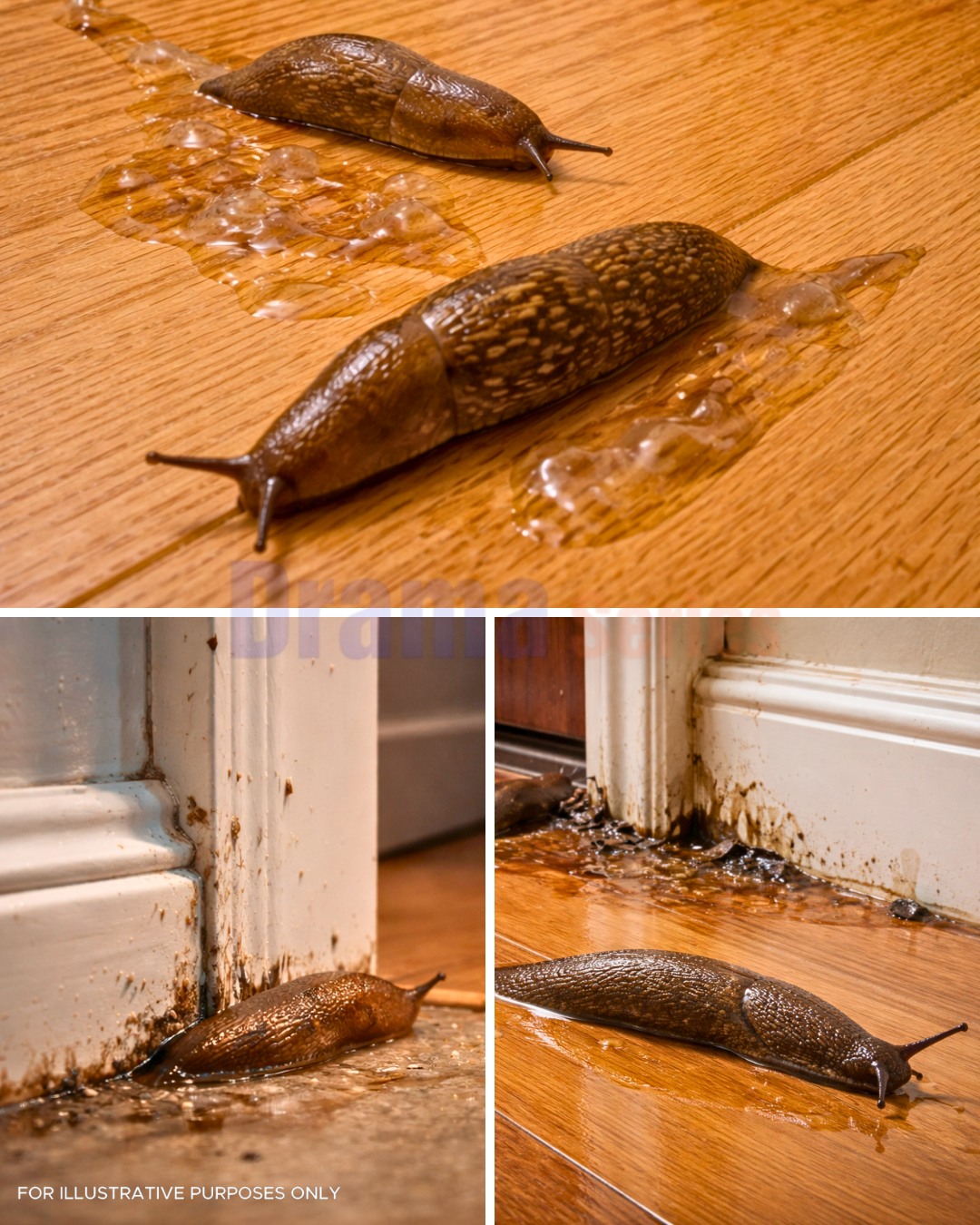
Seeing a slug inside your home isn’t random. Slugs enter houses because conditions inside are attracting them—usually moisture, hidden gaps, or food traces.
Slugs need damp environments to survive. Even small leaks, condensation, or humid air behind walls can draw them in. Common entry points include gaps under doors, cracks in caulking, pipe openings, and foundation cracks. They’re especially likely to appear after heavy rain, flooding, or sudden temperature changes.
Indoor slugs are often a warning sign. They can indicate lingering moisture, poor ventilation, or delayed maintenance—conditions that may also lead to mold, wood rot, and unhealthy air quality.
What helps prevent them:
-
Fix leaks and reduce humidity
-
Seal door gaps, windows, and pipe openings
-
Improve drainage around your home
-
Keep floors clean and remove food sources at night
-
Use copper strips near entry points (slugs avoid copper)
Slugs aren’t dangerous, but repeated sightings mean something needs attention. Addressing the cause doesn’t just remove the slugs—it helps protect your home and health.