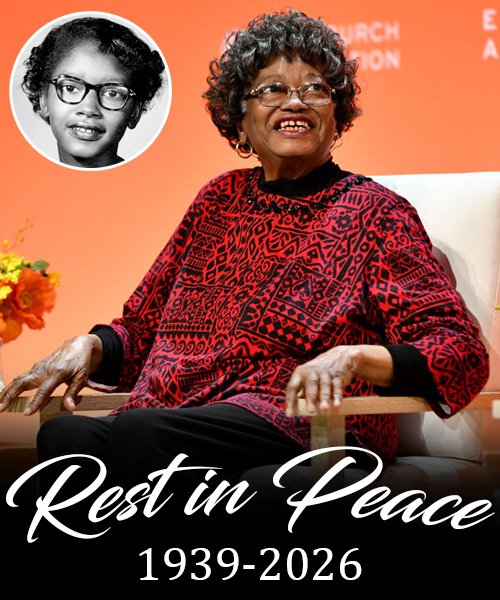

Nine months before Rosa Parks’ arrest, a 15-year-old Black teenager named Claudette Colvin made a quiet but courageous stand against segregation in Montgomery, Alabama.
In March 1955, Colvin refused to give up her bus seat to a white passenger and was arrested. Though her action came first, her role in history was largely overlooked for decades. Colvin later said she wasn’t afraid during the arrest—only angry—because she knew she was “sitting in the right seat,” once recalling that it felt as if Harriet Tubman and Sojourner Truth were holding her down.
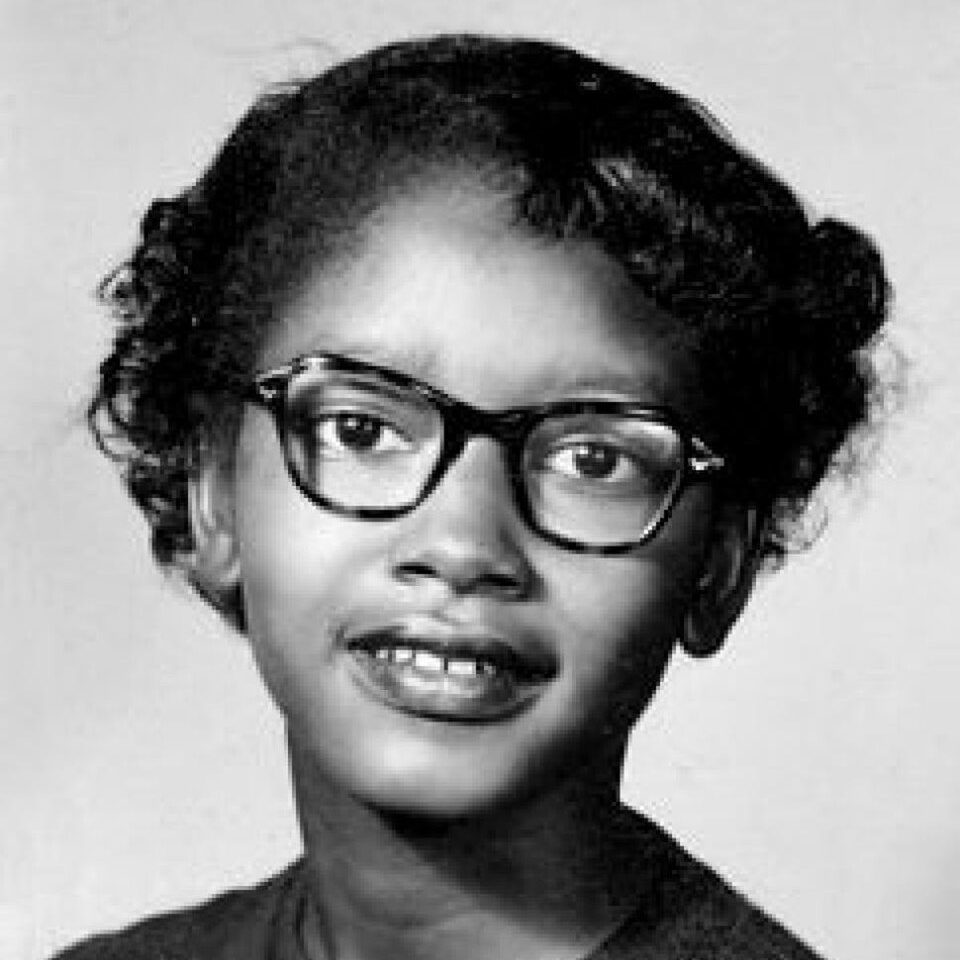
While Rosa Parks became the public face of the movement, Colvin played a vital legal role behind the scenes. She was one of four plaintiffs whose testimony led to a 1956 U.S. Supreme Court ruling that declared bus segregation unconstitutional.

Colvin later moved to New York and worked as a nurse. She died at age 86, according to the Claudette Colvin Legacy Foundation, which praised her courage and lasting impact. Once overlooked, her story is now recognized as a powerful reminder that historic change often begins with quiet acts of bravery.